

How to Create a Cosy Reading Nook at Home
There is a particular magic in a corner that asks nothing of you but to sit and read. A cosy reading nook is not about expensive furniture or a perfect backdrop. It is about creating a small, deliberate space where your shoulders drop, your breathing slows, and the book in your hands becomes the most interesting thing in the world. You do not need a spare room. A quiet corner of a living room, a wide landing, or a bay window will do. With a little thought, you can turn it into a retreat you will use every day.
Find the Quietest Corner You Can
Watch how you use your home. Which spot stays empty during the day? Where does noise from the television or kitchen fade? A reading nook works best away from through-routes and doorways. Natural light is a bonus, but direct sun can make pages glare; a north-facing corner or filtered light through a sheer curtain is kinder. Measure the space before you buy anything: you need room for a chair, a small table, and a lamp, plus enough floor space to walk in and out comfortably. A nook that feels cramped will feel like a punishment, not a treat.
Invest in a Chair That Holds You Properly
The chair is the heart of the nook. A stylish but unsupportive chair will ruin the experience after twenty minutes. You want something that supports your lower back, lets your feet rest flat or on a footstool, and allows you to shift position without waking up stiff.
- Wingback armchairs block draughts and muffle sound.
- A deep armchair with a firm seat works if you curl up, but add a lumbar cushion.
- A footstool at seat height keeps your hips level and legs comfortable.
Test the chair in person if you can. Sit for at least ten minutes and imagine holding a book. Does your neck ache? Do your arms feel supported? A pre-loved armchair with a washable slipcover can be just as welcoming as a new one.
Layer Your Lighting for Warmth and Ease
Overhead lights are the enemy of a cosy nook. They flatten the atmosphere and cast harsh shadows on the page. Instead, build layers of light you can adjust.
- A dedicated reading lamp with an adjustable arm directs light exactly where you need it.
- Warm white bulbs (around 2700K) are easier on the eyes in the evening and create a golden glow.
- A dimmable floor or table lamp adds depth and softness.
Position your main light so it comes over your shoulder or from the side, not directly in front of your face. This reduces glare. A simple dimmer switch is one of the cheapest ways to make a space feel more luxurious.
Keep Your Books Within Arm's Reach
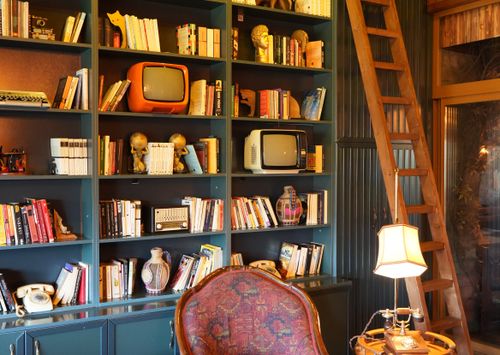
A reading nook without books is just a chair. You want your current reads, your next few options, and perhaps a notebook close by. Avoid getting up every time you finish a chapter.
- A small side table just wide enough for a mug, glasses, and a paperback.
- A stack of books on the floor beside the chair, kept tidy and stable.
- A slim bookcase or floating shelf at arm's height for easy grabbing.
- A woven basket holds library books and magazines without visual clutter.
Rotate your selection every few weeks. A nook that always has something tempting on display invites you to sit down. If you use an e-reader, keep a charging cable nearby. And do not forget a coaster for your tea—rings on wood are the quickest way to sour the mood.
Add Softness with Textiles and Texture
Cosiness is sensory. Soft textures tell your body it is safe to relax. A few well-chosen textiles will transform a plain corner.
- A throw blanket in wool or cotton keeps you warm. Fold it over the chair arm or keep it in a basket.
- A cushion or two supports your lower back or neck.
- A small rug underfoot adds warmth and defines the nook.
- Curtains or a blind you can close make the corner feel private.
Choose colours and patterns that please you, not what a magazine says is on trend. The only rule is that textures should feel good against your skin. Wash your throw and cushion covers regularly so they stay fresh.
Make the Space a Ritual, Not Just a Room
The final step is to build a small routine around your nook. A reading space becomes truly cosy when it is associated with pleasure and calm.
- Set a regular time—even fifteen minutes after dinner or before bed.
- Keep a mug or glass of water on the side table.
- Silence your phone or leave it in another room.
- Add a gentle scent if you like—a few drops of lavender on a cotton pad, or a beeswax candle you never light.
Do not worry if the nook is small or imperfect. A single armchair, a good lamp, and a shelf of books is enough. The best reading corners are lived-in, slightly rumpled, and entirely yours. Once you have created it, protect it. Let your household know that when you are in that chair, you are not to be disturbed unless the house is on fire. Then pour a cup of tea, open your book, and let the world wait.
tag: Reading Nooks

Rhys Cadwallader Author
From charity shop finds to library sales, discover practical tips for growing a personal collection without spending a fortune.
YOU MAY ALSO LIKE
Five Ways to Build a Home Library on a Budget
Aug 22
10Consider back support, seat depth, and fabric durability to find an armchair that keeps you comfortable through chapter after chapter.
read more
Choosing the Right Armchair for Long Reading Sessions
Aug 20
10Austen's sharp social commentary and timeless characters continue to captivate readers, offering wit and insight into human relationships across the centuries.
read moreBook Reviews
-

ERRIC CATONA
Emily Brontë's novel uses wild moorland, stormy weather, and haunted houses to create a brooding atmosphere that reflects its troubled characters.
May 19, 2016 at 5.12 pm
Reply
ERRIC CATONA
Dickens captured Victorian London's contrasts of wealth and poverty. His vivid settings still draw readers into the city's crowded streets and shadowy corners.
May 19, 2016 at 5.12 pm
Reply -
ERRIC CATONA
From locked rooms to family secrets, the country house setting offers a perfect closed circle for suspense, suspicion, and clever detective work.
May 19, 2016 at 5.12 pm
Reply
Author Interviews
Your email address will not be published.